|
Pre-modern
travellers - Discovery
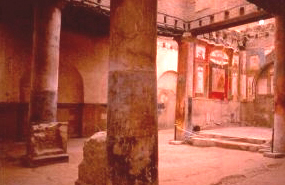
Holiday villa near
Pompeii for rich Romans
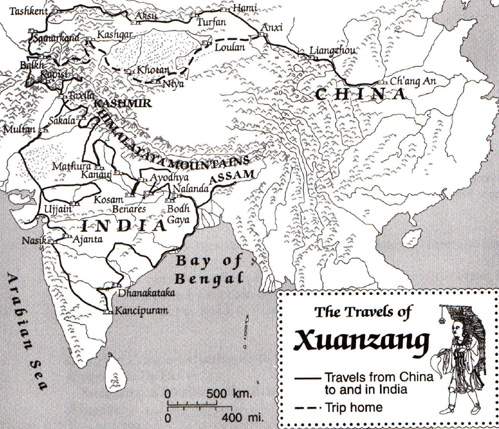
http://www.silk-road.com/artl/hsuantsang.shtml
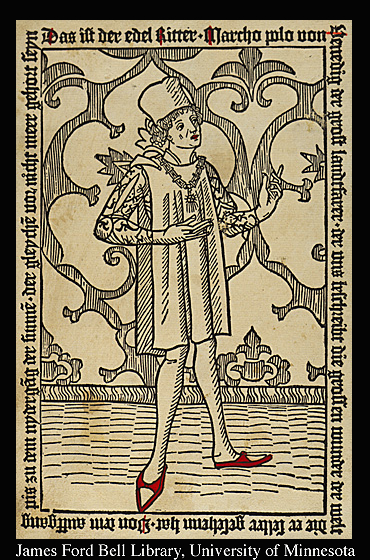
http://www.silk-road.com/artl/marcopolo.shtml

http://www.sfusd.k12.ca.us/schwww/sch618/Ibn_Battuta/Ibn_Battuta_Rihla.html
http://www.ummah.net/history/scholars/ibn_battuta/
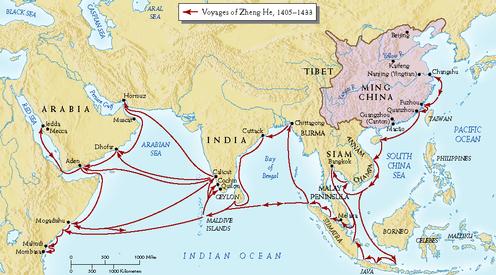
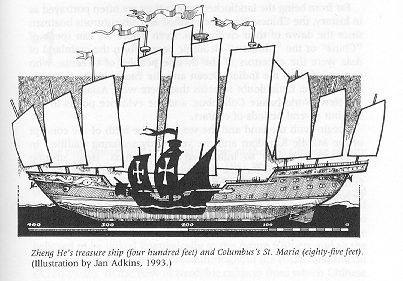
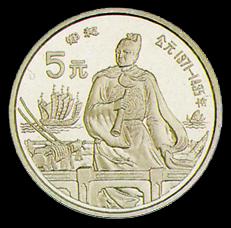
http://www.chinapage.com/zhenghe.html
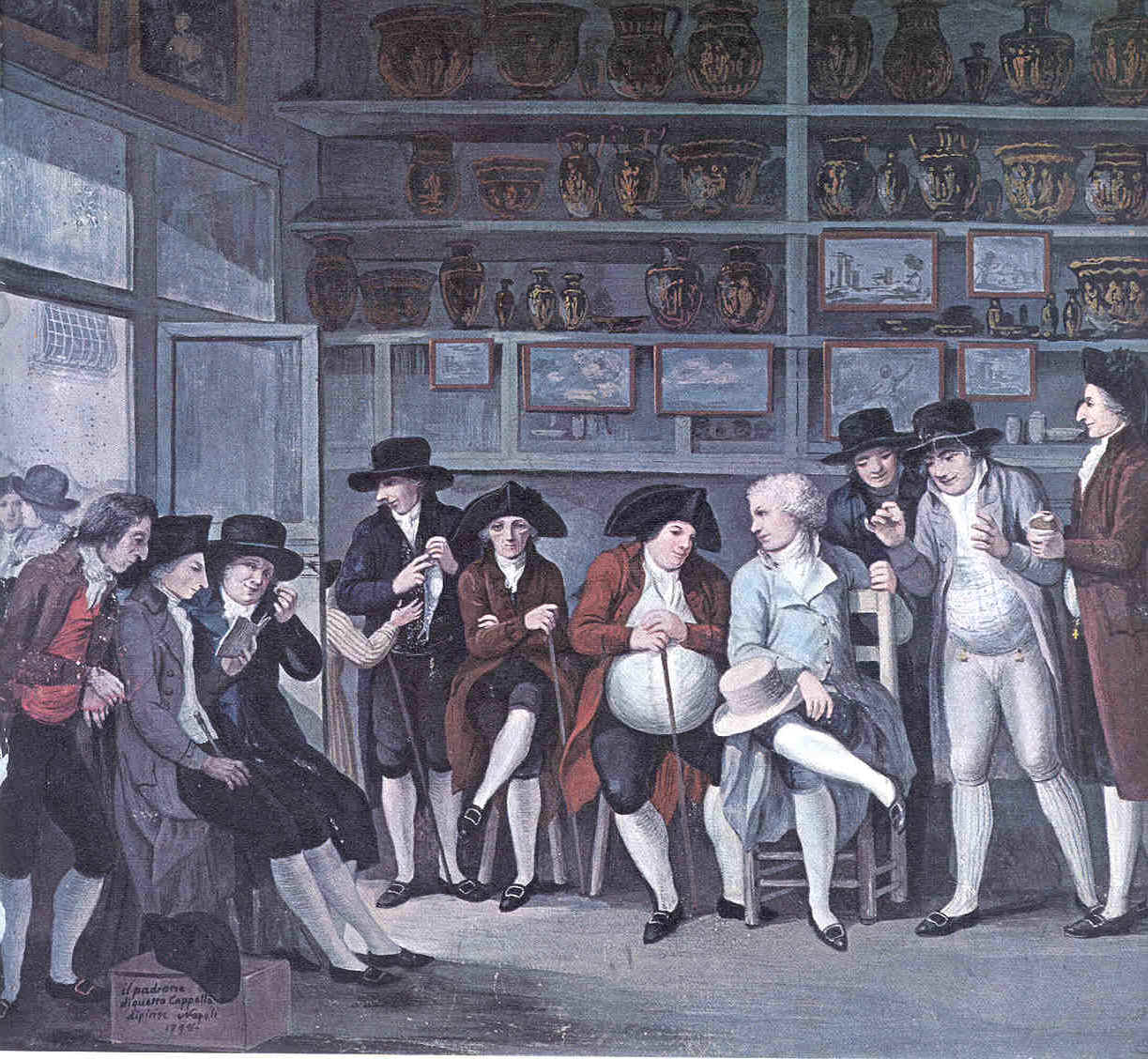 The Grand Tour
During the 18th-century, thousands of
young aristocratic British tourists traveled to Italy to take part in the "Grand Tour". The British came to Italy for education in art, music,
and literature, but also to collect experiences in drinking and
having affairs far away from the critical eyes of the British society. Education in the concepts and principles of ancient Rome and the
culture of Italy became imperative during the Age
of the Enlightenment. Tourists traditionally followed a set routine of traveling over the
Alps from Switzerland and entering Italy through the city of Turin. They would
then visit Milan, Venice, Florence, Rome, and sometimes also Naples in the south. The height of the popularity of the
Grand Tour was from the 1760s to the French Revolution of 1789.
Because so many tourists went to Italy
to study art and painting, the British left an extensive record of their time on
the Grand Tour. The British also became infamous for their desire for
souvenirs, spurring a new trade in fake antiquities all over Italy. The Romans
coined the phrase "If the Colosseum were portable, the English would carry it
away".
|

 Only few rich and/or adventurous travellers