|
History of Globalisation
When did Globalisation start?
30,000 years ago when modern homo sapiens started to leave Africa?
Or only after 1989?
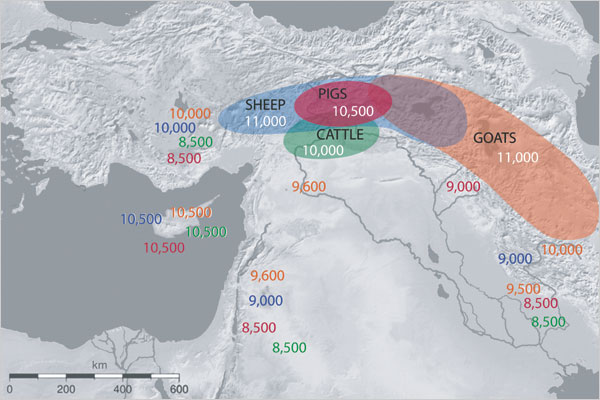
10,000 years ago: Stratification of social structures following the invention of agriculture,
leading to regional power structures
5,000 years ago: Wheel and Writing invented
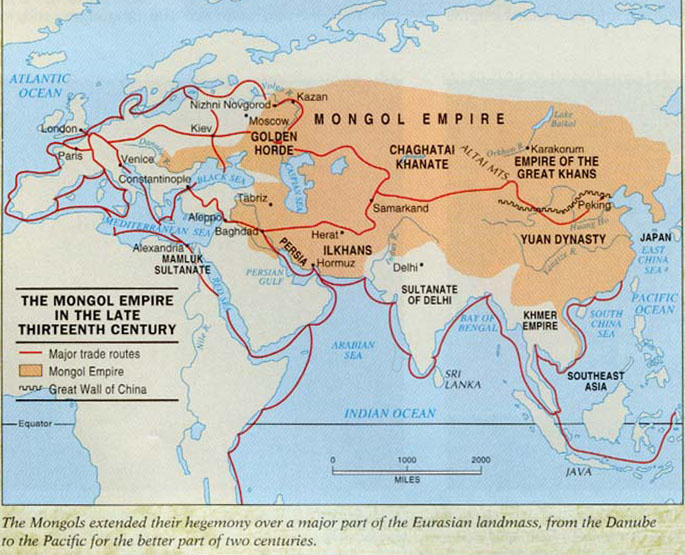
2,000 years ago: Intercontinental trading
Transport of technology, religions, germs
Start of Empire building, the biggest being the Mongolian Empire
1500 Opening up of Atlantic routes
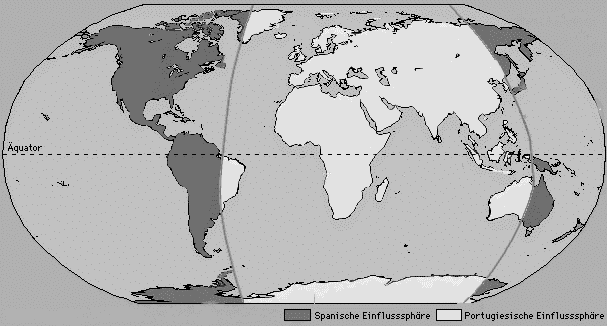
Treaty of Tordesillas 1494
Capitalist World System started
"Creating the world in its own image"
Major sources: Braudel, Marx
1800 British Empire, Steam Engine
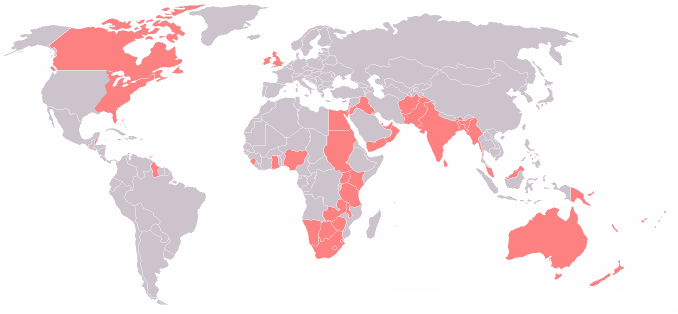
Major source: Wallerstein
1900 Communication Technology, Airplanes, end of "White spots" on the world map
Explosion of number of human beings
1950 End of weapons as main means of fighting over distribution of influence
2000 Internet Age
Remembering:
Five definitions (Steger p 13)
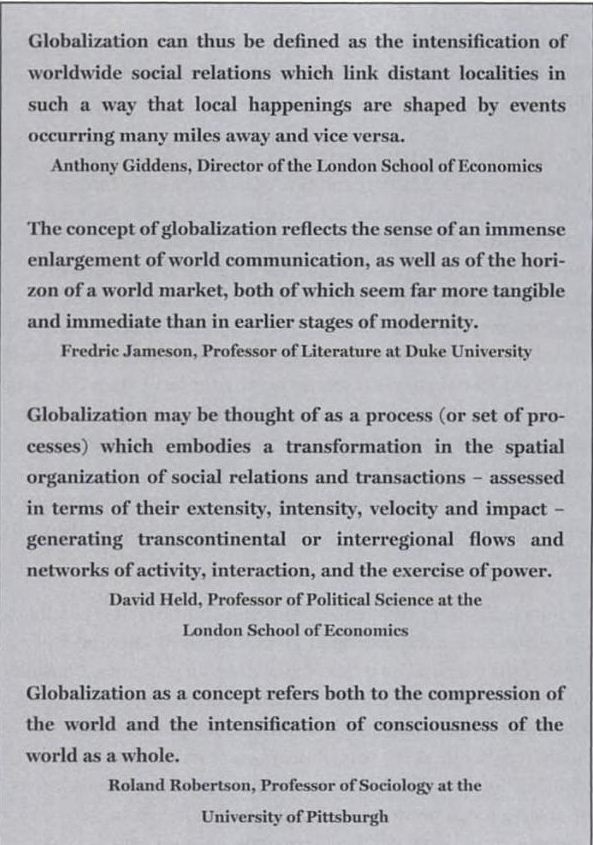
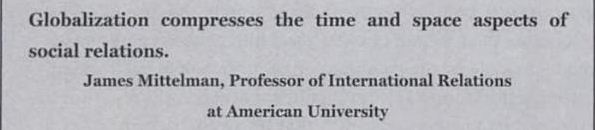
Hence, a VERY SHORT definition of globalisation:
Globalisation refers to the expansion and intensification of social relations and consciousness across world-time and world-space.
Another attempt for a VERY SHORT definition:
Globalisation refers to the process in which more people become more connected in more different ways across larger distances. (Lechner 2009)
So again:
Is Globalisation an ongoing process or something new?
Please form groups and discuss among yourself, report results.
Case Study Food
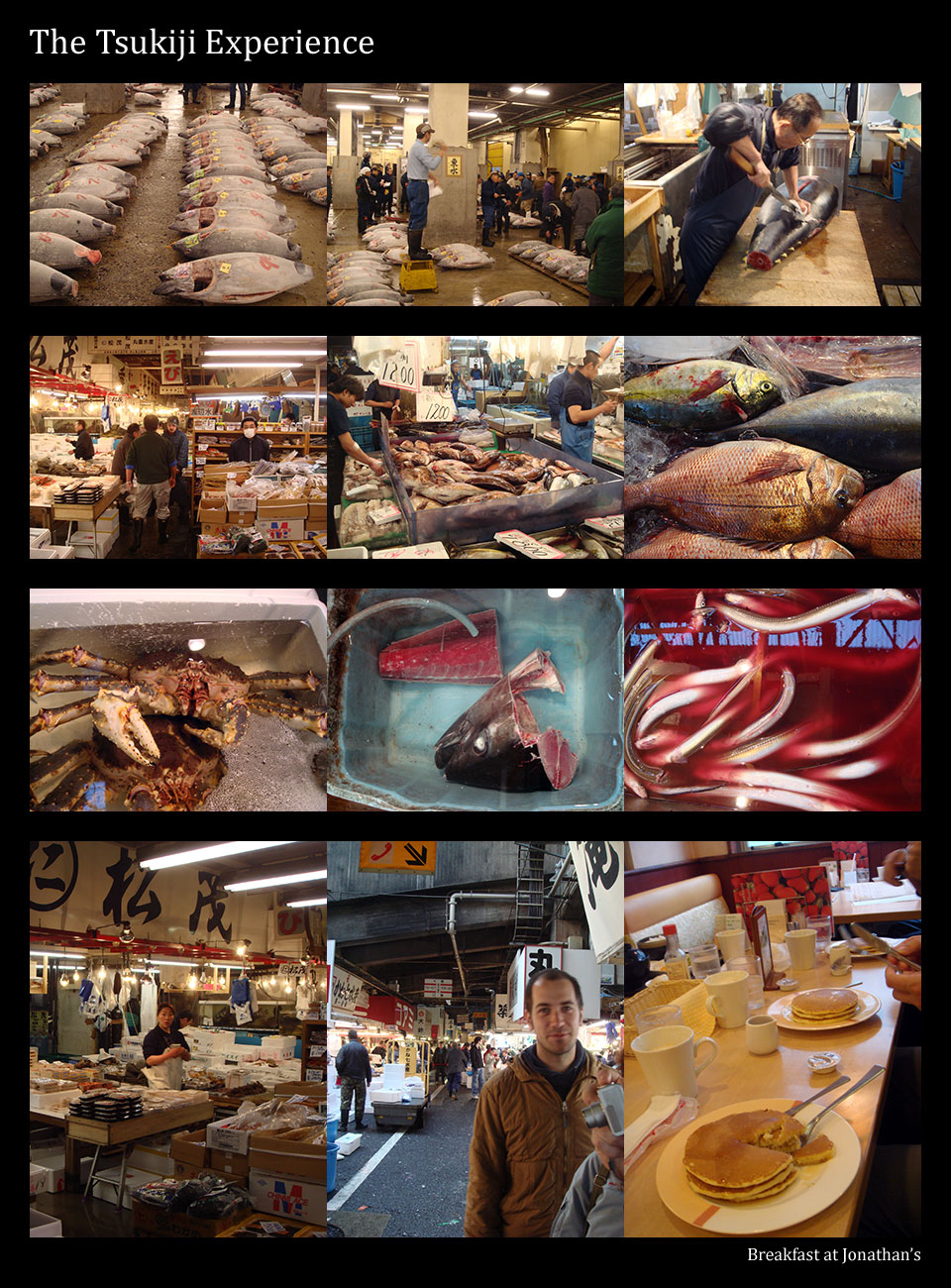
On Meat, Fish and Statistics: The Global Food Regime and Animal Consumption in theUnited States andJapan
Vaclav Smil (Asia Pacific Journal, www.japanfocus.org)
Conclusion:
This brief comparison of two very different meat- and fish-eating systems ends up with very similar conclusions.America’s pattern of excessive red meat and poultry consumption cannot be extended to the rest of the world. TheUS
population is now less than 5% of the world total but it consumes
nearly 15% of all terrestrial meat. If a similar level of consumption
were to be replicated worldwide there would not be enough high-quality
feed (corn and soybeans) to produce so much poultry, pork and beef;
moreover, the requisite energy needs would further tax the global supply
of hydrocarbons and the combustion of these fuels would increase the
overall CO2 emissions while larger ruminant herds would produce more methane, a more powerful greenhouse gas than is CO2.
And high levels of meat intake would be problematic even if the
environmental impacts of intensive animal husbandry were kept to a
minimum: international comparisons indicate that extraordinarily high
levels of carnivory contribute to high rates of overweight, obesity and
common chronic diseases.
Japan’s
claim on oceanic protein is relatively even greater than America’s
share of global terrestrial meat eating: the country with not even 2% of
the world’s population now consumes more than 8% of the global landings
of all seafood and this overconsumption cannot serve –- notwithstanding
all the talk about the nutritional desirability of eating fish -– as a
model for any populous modernizing nation because all of the world’s
major fishing regions are either already overfished or their
exploitation is very close to maximum sustainable capacity.Japan and theUnited States,
so different in so many ways, share this important, and unenviable,
common attribute: they have both overreached in their quest for animal
protein and their ways of, respectively, meat and fish eating are
neither sustainable nor replicable by nations seeking to expand protein
consumption. Many developing countries properly aspire to increase
consumption of high-quality animal protein but they can best secure it
by consuming more dairy products, more eggs and more aquacultured
herbivorous fish, not by following either the American or the Japanese
way of protein consumption.
This
is, of course, not the only case of disproportionately large claims
that the affluent nations make on the global commons: they consume
excessive shares of virtually all basic natural resources (from fossil
fuels and mineral ores to wood and water) and generate commensurately
high shares of solid and liquid wastes, air pollutants and greenhouse
gases. Global convergence toward a high-consumption mode typified by the
US andJapan
is a physical impossibility on a planet with finite resources. The only
hope for a more equitable sharing of the world’s natural resources, and
for the reduction of the deleterious environmental consequences of
their use, is in moderating the rich world’s reach in order to allow for
higher per capita claims by the modernizing nations.
Topics for Group Work
Eight Group Presentations (two parts)
Presentation and term paper about:
a) Functions of an Actor in Globalisation (World Bank, UN, Multinational
Corporations, New Media, WTO, EU, ASEAN, Shipping companies, NGOs, Attac,
Global Brands etc.)
b) Economic, social, ecological and political effects of Globalisation on specific country
Term Paper about both topics, can be interrelated if feasible.
Confirmation and first questions / ideas.
|