|
TOURISM AND POLITICS
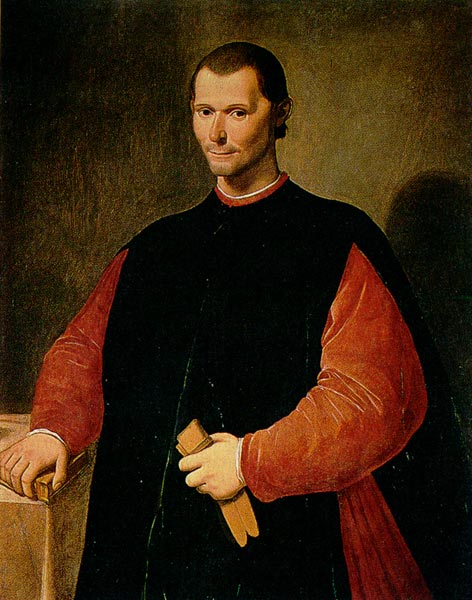
“… if
one recognises
political problems early (which only a shrewd and far-seeing man can do), they
may be resolved quickly, but if they are not recognised, and are left to develop so as everyone recognises
them, there is no longer any remedy.”
The Prince, by Nicolo
Machiavelli, 1998 (1515):11
Politics and tourism
Basics of tourism are result of
political developments:
- Freedom of travel (from home,
leaving own country, entering other country)
- Free enterprise (entrepreneurship)
- Public infrastructure (public
hotels, restaurants, transport, police)
- Social security (rule of law,
job security, paid holidays, health insurance, security in foreign
country)
Mass tourism based on democratic
structures
Tourism policy either planned or
driven by demand (for instance "Reisefreiheit" demand
DDR, pushed opening China)
Tourism politics are difficult to
define because of the many stakeholders involved.
Two different German/Swiss definitions:
"Tourismuspolitik ist die Summe aller Massnahmen öffentlicher Institutionen auf
allen Ebenen politischen
Handelns, die direkt und indirekt, bewusst oder unbewusst die Gestaltung und
Entwicklung des Tourismus bestimmen." (Jörn W. Mundt, Tourismuspolitik, R.
Oldenbourg Verlag, München, Wien 2004).
"Unter Tourismuspolitik verstehen
wir bewusste Förderung und Gestaltung des Tourismus durch Einflussnahme auf
die touristisch relevanten Gegebenheiten seitens von
Gemeinschaften." (Claude Kaspar, Die Tourismuslehre im Grundriss, St. Galler
Beiträge zum
Tourismus und zur Verkehrswirtschaft, 5. Auflage, Paul Haupt
Verlag, Bern 1996).
An American
definition:
"A set of regulations,
rules, guidelines, directives, and development/ promotion objectives and
strategies that provide a framework within which the collective and individual
decisions directly affecting tourism development and the daily activities
within a destination are taken." University of Illinois Tourism Study Group
2003
|
DISCUSS.
What differences can you see?
|
So obviously there are direct and
indirect Tourism Polities, Policies and Politics.
|
Polity (polis)
(community,
state)
|
Norms, Law, Institutions
|
General Public
|
|
Policy
(political
issues)
|
Goals, Solutions, Action
Plans
|
Stakeholders
|
|
Politics
(process)
|
Implementation, Compromises,
Rejection
|
Power structures
|
Direct: Meant to influence (support?)
tourism development
Indirect: Decided without clear
reference to tourism but relevant for tourism
for instance:
- agricultural policies,
- education policies
- ecological policies
- family policies
- labor market policies
- regional development policies
- infrastructure policies
- taxation
Example: Rauchverbot
- No smoking 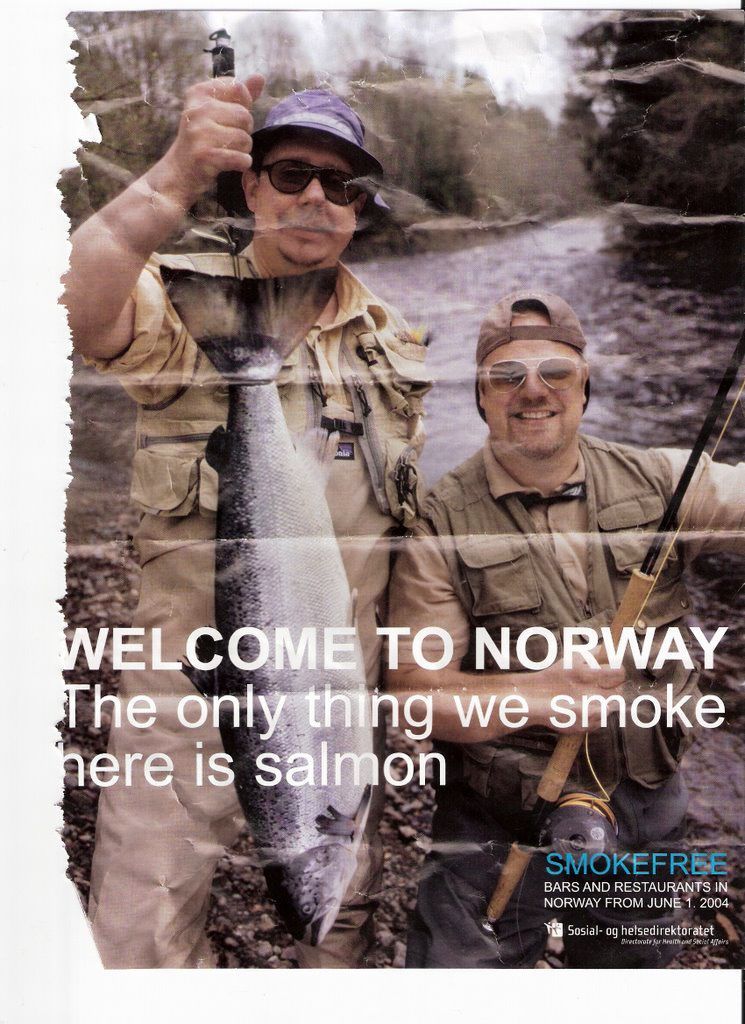
|
What
could be the consequences of the smoke free policy for
domestic and international tourism in Norway ?
|
In Europe: "Government"
with strong influence on tourism on three levels:
- Provincial Governments (Länder
very strong in Germany - Federal Republic, not so strong in other
countries, for instance France)
- National Governments (for tourism
for instance: Foreign Policy, Visa, Passports, Air Traffic, Communication,
National tourism marketing)
- European Union (for tourism for
instance: Harmonization of National Laws, Support of Competition,
Currency, Schengen Agreement. No competence for tourism marketing)
Stakeholders in Tourism Politics:
Passively: Everybody including future
generations and flora and fauna
Actively: Political parties, Associations,
Interest Groups, Lobbies.
For example in Germany:
Parties - CDU, SPD, Green Party
etc.
Associations - Producers Associations
(DeHoGa, DRV, RDA...), Public Associations (DTV, DZT, local and
regional tourism associations), umbrella associations (BTW)
Interest Groups - Verbraucherzentralen,
BUND, Bürgerinitiative gegen Fluglärm
Lobbies - http://www.bundestag.de/wissen/archiv/sachgeb/lobbyliste/lobbylisteaktuell.pdf
for instance asr, ACE, ADAC, Bundesforum Kinder- und Jugendreisen, Bundesverband
Selbsthilfe Körperbehinderter, Deutscher Alpenverein....
|